
- Daily & Weekly newsletters
- Buy & download The Bulletin
- Comment on our articles
Related articles
Recent




Popular



Brussels looks to free up more land for urban farming
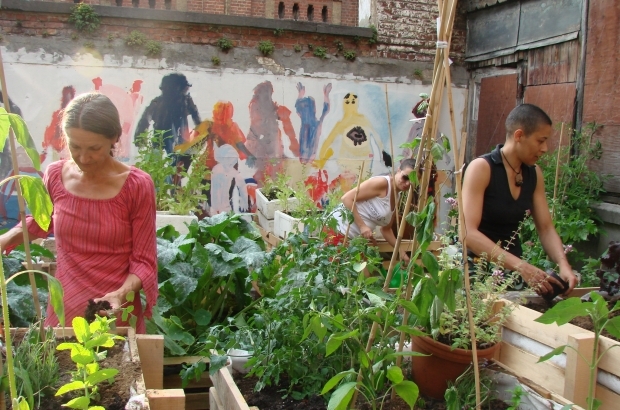
The City of Brussels plans to use 10 additional hectares of land for professional agriculture by 2030 as part of its new urban agriculture strategy.
The city also aims to support allotments, encourage the cultivation of produce and strive for 50% of all fruit and vegetables purchased to be locally grown, Bruzz reports.
“Urban farming is more than just local food production,” said alderman Frederik Ceulemans (Anders).
“It also creates spaces for social interaction and cohesion. This helps to raise our environmental awareness.
"More and more city dwellers are asking where their food comes from and want to contribute themselves to a more sustainable food system, for the sake of the environment and their health.
"The City of Brussels wants to play a pioneering role in this."
The city aims to support agricultural entrepreneurs by identifying additional agricultural land within the municipality or on sites owned by the City of Brussels. City services will therefore draw up an inventory of all eligible sites.
The administration plans to make an additional 10 hectares of agricultural land available by 2030. The total area currently used for agriculture within the municipality or on land owned by the City is estimated at between 13 and 15 hectares.
Particular attention will be paid to growing vegetables such as peas and beans because these are not only nutritious, but also require little water and are fairly resilient to the effects of climate change.
The strategy indicates that local agricultural produce must be channelled as effectively as possible to the Brussels market and also to the city’s own non-profit organisation, Les Cuisines Bruxelloises, which supplies meals to the city services, among others.
The city also wants to develop new vegetable gardens, increase the number of fruit trees in public spaces and investigate where farming can be carried out outside open ground, such as on rooftops or in cellars.
Ecolo-Groen city councillors criticised the strategy as being too vague and lacking concrete deadlines.
“Our own plan, which failed to pass in the previous legislative term, went much further,” said Lotte Stoops.
“You won’t achieve the transition to ambitious urban agriculture this way.”