
- Daily & Weekly newsletters
- Buy & download The Bulletin
- Comment on our articles
Related articles
Recent





Popular




Belgium orders in vaccines due to risk of lumpy skin disease in cattle
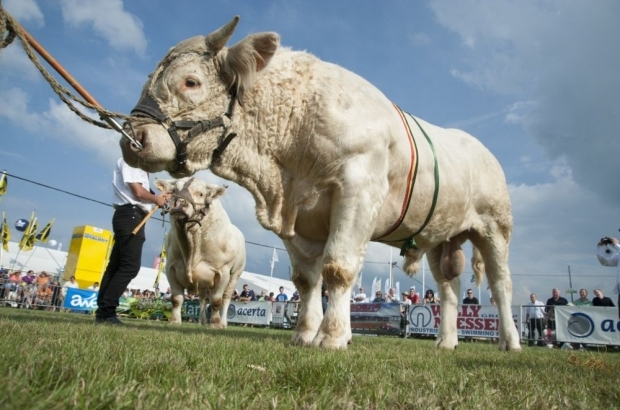
Belgium’s agriculture minister David Clarinval (MR) has launched the purchase of vaccines against contagious nodular dermatitis (CND) to build up a national stockpile and be able to respond immediately if an outbreak is detected among cattle on Belgian territory or near its borders.
Although it is possible to use the stock of vaccines available at the European Commission or in certain other member states, Belgium has decided to set up a national vaccine bank to ensure an immediate response.
“With the creation of this vaccine stockpile, we’re ready for vaccination. However, such a decision is not without economic consequences for the sector,” Clarinval said.
“In particular, it implies the loss of disease-free status without vaccination, as well as restrictions on the movement and marketing of cattle and their products, including dairy products.”
Clarinval said that a risk analysis is being carried out on an ongoing basis by the relevant authorities "in order to constantly adapt our strategy to the evolving health situation".
CND, also known as "lumpy skin disease", is a viral disease in cattle transmitted mainly by biting insects.
Several outbreaks of CND have appeared on European soil since last summer, particularly in France.
In the event of an outbreak in Belgium, the measures to be applied are defined by European regulations, aimed primarily at preventing the rapid spread of the disease and protecting the entire livestock population.
European regulations do not allow preventive vaccination. There must be an increased risk of contamination and a case detected within a territory or at a distance deemed critically close to the borders in order for a country to be able to vaccinate.
Minister Clarinval said he plans to convene the authorities, livestock organisations and veterinarians in order to discuss measures in a transparent manner, explain in concrete terms what they imply at the Belgian level and agree on a structured communication plan.