
- Daily & Weekly newsletters
- Buy & download The Bulletin
- Comment on our articles
Related articles
Recent





Popular





Service vouchers to become more expensive in Brussels
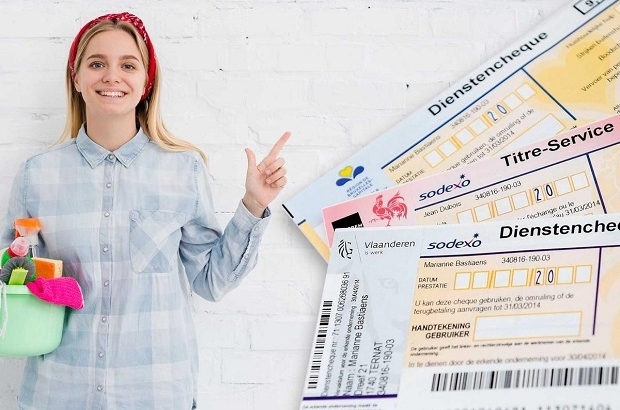
Service vouchers that are used to pay for cleaners and other home help are to become more expensive in Brussels from next year - and tax deductions are being abolished, following the approval of two ordinances from the Brussels parliament's economy committee.
Specifically, service vouchers will become €1.20 euros more expensive (rising from €10.20 to €11.40) in January.
Anyone ordering more than 300 vouchers per year will pay €14 per voucher, but this only affects a small group of users.
The ceiling on the administrative costs that service voucher companies are allowed to charge will also be abolished.
These measures are intended to increase the hourly wage of cleaning assistants without causing serious problems for the Brussels budget.
Today, the entire service voucher system costs the Brussels region €320 million per year, with users able to reclaim some of the cost of the vouchers when they file their annual income tax return.
The Défi party is behind the ordinances and expects the abolition of the tax deduction to generate around €19 million for the Brussels budget from 2028 onwards.
The proposals received broad support from the PS, Ecolo, Les Engagés, PTB and Groen parties. The MR party had a counter-proposal, with a reduction in the tax deduction instead of its abolition and a smaller increase in the price per service voucher, but that ordinance was voted down.
The price of service vouchers has risen sharply in recent years. In 2023, it was €9.
Brussels will therefore have more expensive vouchers than Flanders, where vouchers cost only €10 (for the first 400) and €11 (for the last 100). Flanders has also abolished the tax deduction.
Earlier, the Brussels parliament had already asked the government, via a resolution, to contribute to the salary increase for cleaning assistants, but with retroactive effect.
This was to maintain a level playing field with Flanders and Wallonia, which had already decided on this earlier. The resolution will cost the Brussels government about €13.5 million this year.
MR party leader Clémentine Barzin was disappointed by the new measures, saying a more balanced proposal was possible.
“You are jeopardising our service voucher system,” Barzin said. “Only a balanced system can guarantee the revaluation of cleaning assistants.”
Barzin fears that the demand for cleaning assistants will remain the same, but now that the price is rising and the tax deduction is disappearing, some users may switch to undeclared work.
Brussels labour and economy minister Bernard Clerfayt (Défi), who was present at the discussion, disagreed with this, saying that if a cleaning assistant currently earns about €14 euros per hour (thanks to the regional subsidy), a user "on the black market" would have to pay at least €14 per hour, while (from January) it will only cost €11.40 to employ one legally through the service voucher system.
The draft ordinances are expected to be approved in the next plenary session.