
- Daily & Weekly newsletters
- Buy & download The Bulletin
- Comment on our articles
Related articles
Recent



Popular


Horse DNA found in 27% of snacks sold in Belgian takeaway outlets, traces found in three out of four businesses

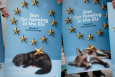
Belgian animal welfare organisation Gaia claims to have detected horse DNA in 27% of the popular meat products it tested from 25 chip shops.
It also found traces in three out of four establishments around the country, reports RTL. While highlighting the issue of traceability, the association called for a ban on horse meat in the Belgian food supply chain when releasing its findings ahead of World Animal Day.
It was in August that Gaia had an accredited laboratory analyse 123 products — including meatballs, hamburgers, croquettes and frikandels — purchased from 25 chip shops (friteries/frietkots) across Brussels, Wallonia and Flanders.
At least one product containing horse DNA was found in 76% of the establishments visited. In total, 27% of the analysed snacks tested positive. Traces were detected in 70% of the chip shops tested in Wallonia and in 80% of those visited in Brussels and Flanders.
According to Gaia, these results should be viewed alongside information available on producers' and retailers' websites, which lists horse meat among ingredients of various products.
The organisation further points out that, for non-prepackaged foods, the animal species used generally does not need to be specified. This means that a customer could consume horse meat without being aware of it.
Gaia also highlighted the continued presence of equines in Belgian slaughterhouses. The country is home to an estimated 400,000 equines, kept primarily for leisure, sport, or as pets. Despite this, 1,662 equines were slaughtered in Belgium in 2025. In the same year, the country reportedly imported 12,268 tonnes of horse meat—equivalent to some 38,500 equines—according to figures cited by the organisation.
For Gaia, a ban on slaughter in Belgium alone would therefore be insufficient. The association has therefore launched a petition that calls on Belgian policymakers to recognise equines as companion animals, end their slaughter for human consumption and ban the sale of their meat in Belgium.
The organisation also highlights traceability issues, stating that during inspections conducted by the Federal Agency for the Safety of the Food Chain (FASFC) between December 2020 and June 2021, 35 out of 230 horse passports examined had been falsified.
Furthermore, in September 2026, a new international investigation — involving the Federal Judicial Police, the FASFC and Europol, among others — focused on suspicions that horses previously excluded from the food chain (such as sport horses) were being reintroduced into it. Suspected practices reportedly include passport falsification and the use of dual microchips.
Photo: ©Gaia Facebook page