- Daily & Weekly newsletters
- Buy & download The Bulletin
- Comment on our articles
Related articles
Recent




Popular




Belgium facing worst drought since 1970s
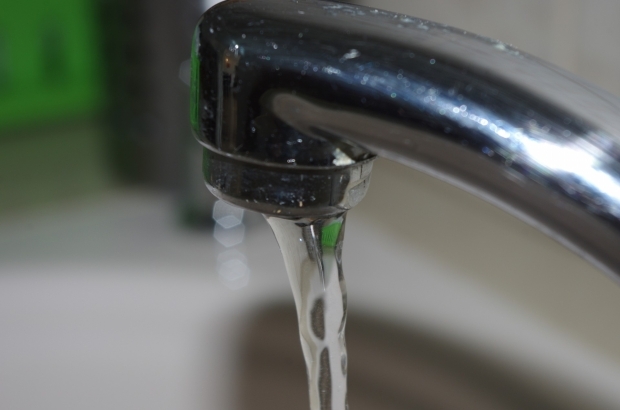
Belgium is heading for its worst drought since the 1970s, according to a warning issued by the Royal Meteorological Institute (RMI).
The country had one of the driest summers since records began and no significant rain is forecast in the coming weeks either, which could have consequences for drinking water production.
“About 80% of the country is experiencing a rainfall deficit,” meteorologist Pascal Mormal told Bruzz.
“The further south you go, the more severe it is. Only a few remote areas of West Flanders and Limburg are receiving more or less normal amounts of rain. But take Uccle, for example. There we expect 21 to 22 millimetres of rain this month. Normally, that would be 65 millimetres.”
Mormal said that there was no improvement in sight in the short term. “We do not expect significant amounts of rain until at least mid-October,” he said.
“We might even have to wait until November, which is, of course, still quite a long way off. But with the next 10 days [of relatively dry weather] factored in, it will get even worse.”
The meteorologist compared the current situation to the drought of 2018, which was recognised by the Flemish government as an agricultural disaster.
According to the forecasts, more rain should come in November and December, but a great deal of it would be needed to make up for the shortfall of recent months.
It is also important that any water come in sustained, gentle rains rather than heavy downpours that wash the water straight out to sea.
“Let’s hope we get plenty of rainfall,” Mormal said.
“The year 2025 was already dry, and now we’ve been struggling with drought for several months again. That’s not good. Without a good amount of rain, this could certainly cause us problems in 2027.”
Vivaqua, which supplies drinking water to Brussels and several Walloon and Flemish municipalities, may have to scale back production for a second time since July at a major treatment plant on the Meuse as a result of the persistent drought.
Vivaqua sources 30% of its water from the Profondeville water extraction centre, but the water level of the Meuse is currently very low.
Since mid-July, production there has already been limited to 130,000m³ per day, and this may soon be reduced further to 90,000m³, according to Wallonia Public Service (SPW) spokesperson Nicolas Yernaux.
“That would therefore have very real consequences. Vivaqua would probably be forced to draw on its reserves,” Yernaux said.
The Walloon drought crisis unit warned of "a significant reduction in production" at Vivaqua, noting that the situation remains "worrying" throughout the region.
Restrictions on drinking water consumption are already in place in 17 municipalities. In Libramont, Luxembourg province, tankers are being deployed to guarantee the water supply.
The situation in Flanders is less dire because most Flemish water companies draw their water from groundwater, which is less dependent on rain than rivers and canals.
Water-link, which supplies drinking water to the city of Antwerp and a number of surrounding municipalities, said that despite drawing its supply from the Albert Canal - which is fed by the Meuse - "there will be sufficient water available and no reduction in production is expected" even if rainfall is lower than projected.
In the event of a worsening situation, Water-link can fall back on reserve reservoirs or agreements with other drinking water companies.
Code yellow is nevertheless currently in force across the whole of Flanders, meaning increased vigilance is required, but no new measures have yet been announced.
A yellow alert also remains in place in the Brussels region, where the drought task force recently met for a review of the drinking water supply.
“Following a spring and summer marked by drought and several heatwaves, the start of autumn has also been particularly dry,” Brussels Environment said.
“The drinking water supply remains a major concern, as does the situation in natural areas.”
The yellow alert means that the measures put in place over the past two months remain in force and the authorities are once again urging the public to use tap water sensibly.