
- Daily & Weekly newsletters
- Buy & download The Bulletin
- Comment on our articles
Related articles
Recent


Popular




Wider use of bodycams for emergency services and transport staff amid rising assaults
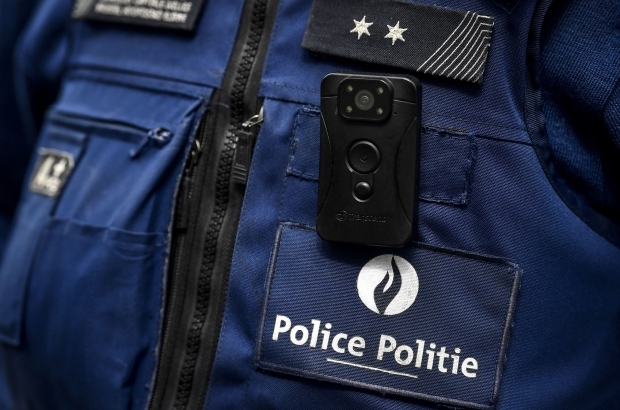
Belgium has approved a legal framework regulating the use of personal cameras (bodycams) for certain services that are regularly confronted with violence, including firefighters, public transport staff and security guards at events.
Interior minister Bernard Quintin (MR) pointed to an increase in violence in public spaces in recent years as the reason for the new law.
“It’s unacceptable. Those who protect us and serve society must themselves be protected,” Quintin said.
“The expansion of bodycam use provides an additional tool to clearly establish who is responsible for what in the event of incidents or violence.”
The measure also has the support of Belgium’s federal mobility minister Jean-Luc Crucke (Les Engagés), who has previously raised concerns about an increase in attacks on public transport staff.
“Safety on public transport is one of our priorities and a necessary condition for guaranteeing peaceful and safe journeys for everyone,” Crucke said.
“In this context, we are enabling the use of bodycams for staff of the SNCB and regional operators (Stib, De Lijn and TEC) to enhance the safety of passengers and staff.”
The cameras are activated when there is a risk of aggression or violence against individuals. The text provides safeguards regarding the protection of personal data in accordance with European regulations, with footage stored for a maximum of 90 days.
For firefighters, the draft bill also provides for assistance cameras that can be used in real time during operations.
These systems make it possible to guide personnel on the scene, ensure their safety and that of third parties, and transmit images to the command post.
Following its recent approval by the federal council of ministers, the text will now be submitted to trade unions for negotiation and to the data protection authorities to ensure compliance.