
- Daily & Weekly newsletters
- Buy & download The Bulletin
- Comment on our articles
Related articles
Recent



Popular





Sorting mistakes in Brussels blue bags cost capital almost €4 million a year
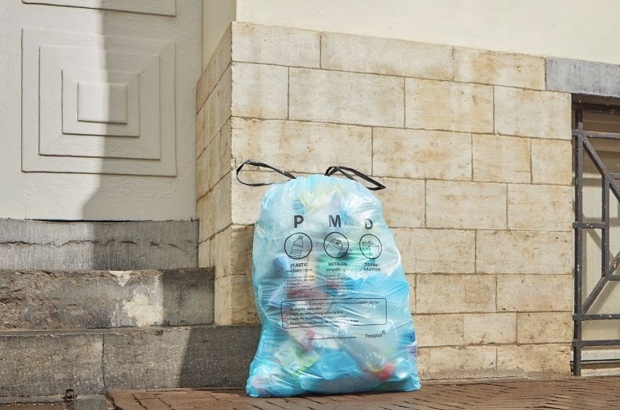
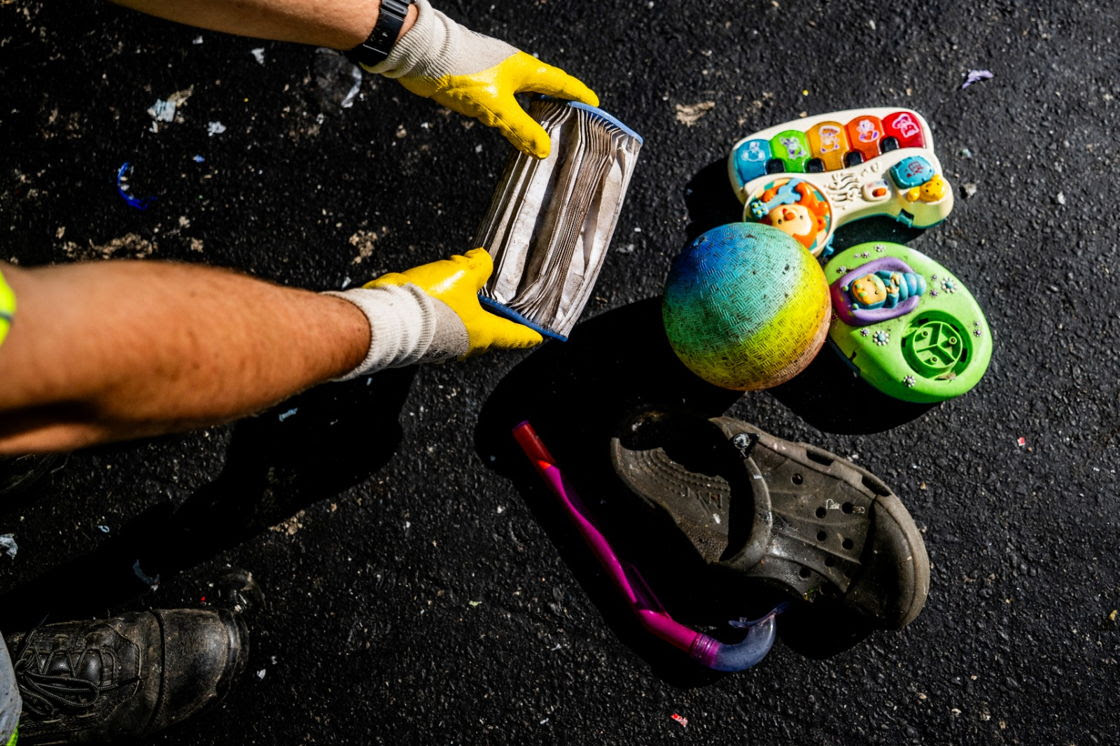
Plastic toys, old T-shirts and e-cigarettes are among the things Brussels residents wrongly put in their blue PMD bags, and the mistakes are adding up to a bill of almost €4 million a year.
That is why the region is currently running a campaign to educate the public about correctly sorting their rubbish.
Last year, close to 4,000 tonnes of waste ended up in the capital's PMD bags when it should have gone elsewhere. Taking it out of the recycling stream and dealing with it properly costs about €1,000 a tonne, according to packaging recycling organisation Fost Plus and the regional cleaning agency Bruxelles-Propreté.
In Brussels, 17% of what goes into the blue bag doesn't belong there. The national average is 13.5%.
The two organisations say the capital faces particular problems. Many people live in flats with little room for separate bins, and bags are often left in shared areas. A more transient population means more new arrivals every year who have to get used to the local rules. Communication is also an issue as Brussels is home to 184 nationalities and around 100 languages are spoken in the region.
“There is no single way to reach everyone in Brussels,” said Bruxelles-Propreté spokesperson Adel Lassouli. Besides radio adverts in French and Dutch, the agency also puts out its message in Arabic, Spanish and Turkish, and goes into local shops and apartment buildings to talk to residents. Together with social housing partners, it has so far trained 88 building managers, caretakers and other intermediaries.
Fire and injuries
Making mistakes when recycling has additional implications, beyond the financial. Batteries and e-cigarettes can start fires at sorting centres, and paddling pools, buckets and toys can jam machines built to handle light packaging. Needles, broken glass and nappies are a hazard for refuse collectors, who pick up thousands of bags by hand every day, and for the workers who check the waste on conveyor belts.
The extra cost is paid by the companies that put packaging on the market, but it may end up being passed on to shoppers.
Belgium as a whole does well on recycling. Eurostat figures show the country recycled 83.2% of its packaging waste in 2024, against a European average of 67%. “There is still room for improvement, particularly in Brussels,” said Fost Plus spokesperson Baptiste Erpicum.
Is it packaging?
To bring the error rate down, the two organisations started a new campaign on 9 November. It runs until 28 December on radio stations including Bel RTL, Nostalgie, BX1 and Bruzz, as well as on TikTok, Facebook and YouTube. Posters are being displayed next to the PMD bags in Carrefour, Delhaize and Intermarché supermarkets.
The message is simple: before throwing something in the blue bag, ask yourself if it is packaging. Only empty plastic and metal packaging and drinks cartons are allowed. A meat tray, an aluminium lasagne dish or a milk carton can go in. A bucket, a battery or an e-cigarette cannot.
Buckets should go to a recycling centre, batteries to a Bebat collection point and e-cigarettes to a Recupel point. Paper, cardboard and textiles have their own collections, and bottles or tins should be emptied first, as leftovers make them too heavy for the machines.
Anyone in doubt can check at www.bettersorting.be.
Photos: ©Fost Plus & Bruxelles-Propreté