
- Daily & Weekly newsletters
- Buy & download The Bulletin
- Comment on our articles
Belgian woman with Turner syndrome gives birth in "world first"
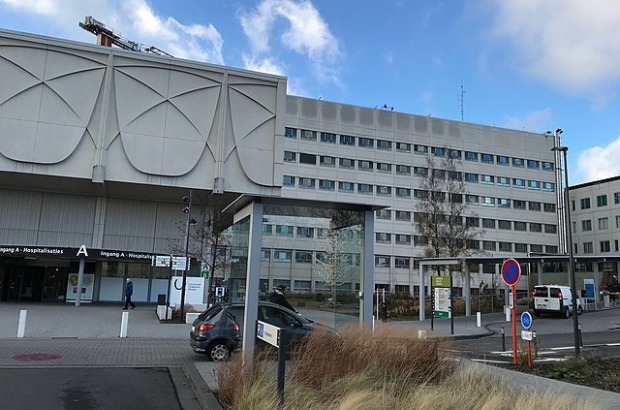
A sterile woman with Turner syndrome has given birth to a healthy baby in Brussels in what is being hailed as "a world first".
Turner syndrome causes the early disappearance of oocytes – ovarian cells – resulting in an abnormality in the functioning of the ovaries and compromises fertility. The UZ Brussel announced on Thursday that the woman with Turner syndrome recently gave birth to a healthy baby from her own oocytes at the end of treatment administered at the hospital.
In Belgium, more than 2,000 women suffer from Turner syndrome.
"To increase the likelihood of one day having a child who shares the same genetic makeup, Turner patients can have their eggs frozen very early in life,” the hospital said in a statement. “This approach can be considered as early as puberty and is preceded by a hormonal cure."
Professor Michel De Vos, a fertility specialist at the UZ Brussel Reproductive Medicine Centre, stressed the need for a multidisciplinary approach from an early age when dealing with Turner syndrome patients because "the desire for a child remains a fundamental choice."
"It is important that the girl receives correct psychological and medical support so that she has all the required information and can think carefully about this approach. But the awareness of doctors and parents is also crucial in this area, it precedes everything else."
Professor De Vos explained that some young girls with Turner syndrome lose all their eggs at an early age, sometimes even before puberty. "In this case, they cannot have them frozen. Intergenerational donation may then be an option. Before reaching an older age, the mother must undergo a hormonal cure to freeze her oocytes in anticipation of a possible donation to her daughter with Turner syndrome in case it causes her infertility."
This new breakthrough in treating Turner syndrome was published in early February in the Journal for Assisted Reproduction and Genetics.