
- Daily & Weekly newsletters
- Buy & download The Bulletin
- Comment on our articles
Late trains could be a thing of the past, say KU Leuven researchers
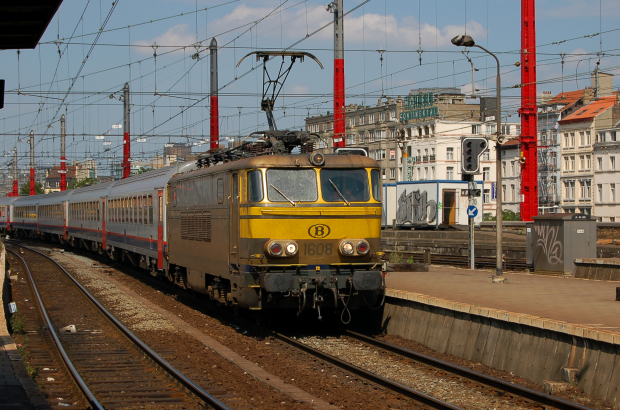
Researchers at the University of Leuven’s mobility research lab have developed a model that they say would greatly limit train delays in Belgium.
PhD researcher Sofie Burggraeve focused on the railway “bottleneck” – the tunnel connecting Brussels North and South stations – as most delays begin there. Most of the trains in Belgium use this tunnel at one point, using a limited number of tracks.
Burggraeve based her model on simple principles: Start scheduling based on the number of tracks not on the number of trains and plan more time between trains passing the same junction.
“There are many minor delays on the railway network that you can’t really help,” Burggraeve’s PhD supervisor, Pieter Vansteenwegen, told Radio 1. “But what you can do is prevent those delays from transmitting to all the other trains.”
Rail authority SNCB first focuses on the timetable and only then on the tracks, he said. But they should do this the other way around. “That would be more efficient.”
According to the researchers, travellers could improve their time by an average 17% using Burggraeve’s model. The model can be tested when new timetables are created, and she is meeting with the SNCB to discuss the options. The current timetables will, however, remain in place until 2020.
In other rail news, the SNCB has announced that it will cut the opening hours of staffed ticket windows in 34 stations across the country starting on 2 October. Most of the stations concerned are in Flanders.
Passengers are now more likely to buy their tickets from automatic ticket machines, said a spokesperson. In May, 47% of tickets were bought from a machine, while 42.5% were bought at a ticket window, SNCB said.
The windows will not close entirely, remaining open at the busiest times – generally weekday mornings. Some stations, such as Eeklo and Ronse, will no longer be open at the weekend or weekday afternoons. Others, such as Geraardsbergen and Mol will only close on weekend afternoons.
Knokke, which sees many more passengers in the spring and summer months, will see service all day during high season but only in the mornings the rest of the year.
SNCB said that no one would lose their jobs, though some retiring staff will not be replaced.