

- Daily & Weekly newsletters
- Buy & download The Bulletin
- Comment on our articles
Related articles
Recent



Popular



Vivaqua asks Brussels for money to replace ageing sewer network
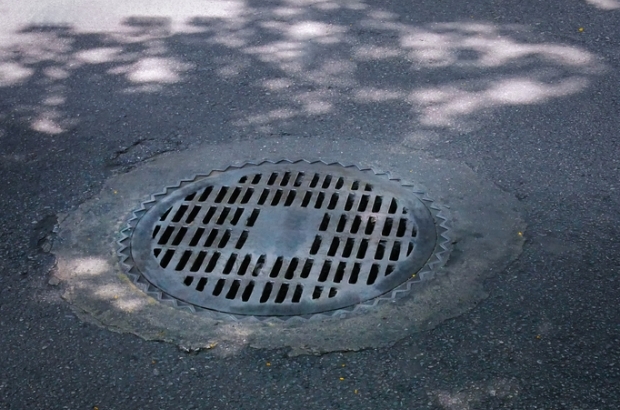
An estimated 220km of sewers in the Brussels underground is in urgent need of renovation, according to Brussels water company Vivaqua.
Vivaqua is requesting a fixed subsidy of €30 million per year from the Brussels region for the work, Bruzz reports, hoping to complete it over the course of 15 years.
“It's like public transport, where ticket prices don't cover the full cost either,” said Vivaqua spokesperson Saar Vanderplaetsen.
“In recent years, we’ve mapped out in detail which parts of the sewer network are in the worst condition and which points could cause the most disruption in the event of a collapse, for example under busy traffic arteries.
"Based on this analysis, we have drawn up an action plan and linked it to our operational capacities, the time needed to apply for permits, the necessary financing and the impact on the city."
The works would cover about 11% of Brussels' total sewer network, which is around 1,900km long.
Outdated sewer pipes can lead to leaks and sinkholes, which are on the rise.
Vivaqua’s priority plan calls for renewing 15km of sewers per year, at a cost of about €60 million to €70 million per year for 15 years.
“It's a realistic estimate. Sewerage works often have a major impact - entire streets regularly have to be dug up and we also have to coordinate with the operators of other underground utilities,” said Vanderplaetsen.
“Over the past 10 years, Vivaqua has already renewed 180km of pipes, and we are continuing that renovation programme. But it costs a lot of money. From the outset, we have had to resort to loans to finance the renovations.”
Vanderplaetsen said water bills were Vivaqua’s only source of income and that the revenue has never been enough for a major sewer renovation programme. At the same time, the intermunicipal company’s debt has grown to more than €1 billion.
“That is not unusual for an institution that carries out similar works, but in recent years, lenders have noticed that our debt has become very large in relation to our total turnover,” said Vanderplaetsen.
“They’re concerned about whether we’ll still be able to meet our payment obligations. That’s why we’re asking the Brussels government for a subsidy.
"Maintaining the sewerage system is a public service, just like public transport or public cleanliness. Stib and Bruxelles Propreté also receive a subsidy from the Brussels Region. We’ve been asking this question since 2023.”
At that time, Vivaqua was asking for a subsidy of €50 million, but now expects €30 million will suffice.
Vanderplaetsen warns that if Vivaqua cannot count on additional funding from the region, it will have to turn to the private credit market again.
“If we cannot secure sufficient funds there, this will have an impact on the proposed renovation programme,” said Vanderplaetsen.
Vivaqua has been heavily criticised in recent years. In 2021, there was a major billing problem with many customers receiving incorrect, confusing or no water bills at all. The company is also struggling with a large number of defaulters.
“This is a phenomenon that many Brussels companies are facing,” Vanderplaetsen said.
“We send personalised text messages to remind people not to forget their bills and encourage them to pay by direct debit.”
Vivaqua denies that the maintenance backlog of the sewer network is causing major problems or unsafe situations.
“Perhaps sinkholes are now receiving more media coverage because they have occurred in places where they cause a lot of disruption, but we haven’t noticed an abnormal increase in the number of sinkholes. The figure is in line with other years,” said Vanderplaetsen.





Comments
They just raised their rates by 12.5% with the objection of no one, including Belgian's only consumer org. Test-Achats. Perhaps it's time to propose a reorganisation of Vivaqua's glaring mismanagement or even time to find a replacement for them altogether.