
- Daily & Weekly newsletters
- Buy & download The Bulletin
- Comment on our articles
Related articles
Recent


Popular




Fresh attempt to form Brussels government in coming days
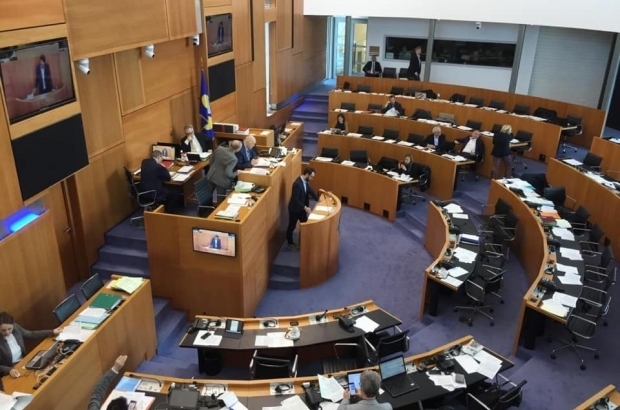
Brussels political leaders have launched a new attempt to break the more than 600-day deadlock in forming a regional government, with a possible coalition being negotiated without the New Flemish Alliance (N-VA).
MR party resident George Louis Bouchez has invited six parties - his own, PS, Les Engagés, Groen, CD&V and Vooruit - to restart talks on forming a regional government with a majority in both linguistic groups. Negotiators hope a deal can be reached within days if serious discussions take place.
Bouchez said the focus of the proposed coalition would be reform, fiscal responsibility and quality of life issues such as cleanliness and safety, priorities he and many others say are essential for Brussels at the moment.
“This work must be complemented by clear commitments to achieve a balanced budget by 2029, through the implementation of ambitious and necessary institutional reforms, and by a strong emphasis on cleanliness and safety in Brussels, absolute priorities for the quality of life of residents,” Bouchez said.
The renewed effort to form a government excludes Flemish majority party N-VA from formal participation, although negotiators believe it may be possible to secure support or cooperation from the party on specific issues once a coalition agreement is in place.
Cieltje Van Achter, leader of the N-VA in Brussels, offered a stark assessment of the political stalemate and wider challenges facing the capital.
“Brussels needs reforms,” she said. “We need a government willing to do that. So far, it's been blocked, so I'm curious to see what will come of it now. I fear for Brussels, because the situation is disastrous.”
Van Achter’s comments highlight longstanding tensions over policy priorities and coalition partners in the Brussels parliament, where no single party has a majority and political divisions have kept the region without a fully empowered government since the June 2024 elections, almost two years ago.
Throughout the coalition negotiations, many leaders have been quick to blame other parties for the failure.
If successful, the proposed coalition could represent a new chapter in Brussels politics by bridging divides between francophone and Flemish parties without the formal inclusion of N-VA, a party that has been a point of contention in earlier negotiations.