
- Daily & Weekly newsletters
- Buy & download The Bulletin
- Comment on our articles
Related articles
Recent



Popular


New low-emissions fines in Brussels from next year
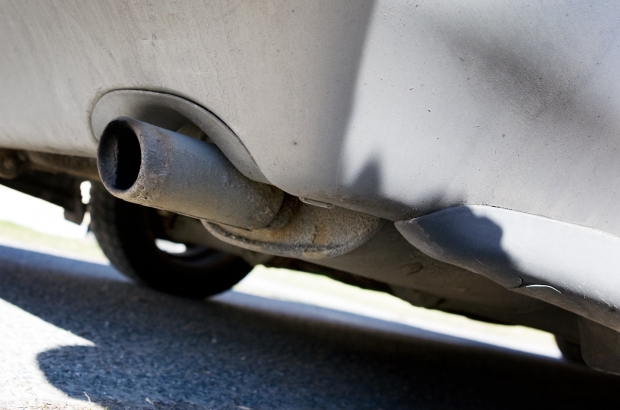
People who still drive a Euro 5 diesel or Euro 2 petrol car in Brussels will first receive a warning and then a fine from January 2026 onwards.
If they commit another offence three months later, they will be fined. Only one fine per quarter will be imposed.
These vehicles have not been allowed in the Brussels region since September because a new phase of the low-emission zone (LEZ) has come into effect, but a grace period was extended because of confusion around when the measure would actually kick in.
Originally planned for 2025, politicians pushed through postponement that was then struck down in September by the Constitutional Court, which upheld the rule that no legislation can be passed which negatively impacts public health.
The low emissions zone rules apply to cars, vans, lorries and buses with a Euro 5 diesel engine and to vehicles with a Euro 2 petrol engine. Motorcycles that do not meet at least Euro 3 standards are also no longer allowed to drive in the region.
According to Brussels Environment, this concerns approximately 7% of all vehicles currently on the road in Brussels.
“The vehicles that will now be banned from traffic are responsible for 40% of nitrogen oxide emissions from transport and for a significant amount of particulate matter,” Brussels Environment said.
Emissions from traffic have already fallen sharply since the introduction of the LEZ in 2018. The reduction is 55% for nitrogen oxides, 33% for particulate matter and 62% for black carbon. Along the busiest traffic arteries, NO₂ concentrations fell by 46% between 2018 and 2024.
Nevertheless, air pollution remains a serious problem in Belgium. In 2024, more than 4,000 premature deaths in the country were linked to exposure to particulate matter, nitrogen dioxide and ozone. Brussels is considered one of the most polluted European capitals when it comes to air quality.
Support measures are still being offered by the region for residents who need to switch to less-polluting vehicles. Those who get rid of their car can receive a Brussel'Air premium, which is a mobility budget that can be spent on public transport, shared mobility, taxi services or the purchase of a bicycle or scooter.
The Mobility Coach is another measure which offers free guidance to test alternatives, and professionals can receive financial support for electric vans, charging stations or cargo bikes.
People who only drive occasionally can purchase up to 24 day passes per year. Drivers can check whether their vehicle is still permitted on the LEZ website using their numberplate and the date of first registration.
Exceptions continue to apply for people with disabilities, among others.