
- Daily & Weekly newsletters
- Buy & download The Bulletin
- Comment on our articles
Related articles
Recent





Popular





Mobile liver testing rolls into Brussels, 3 to 5 June
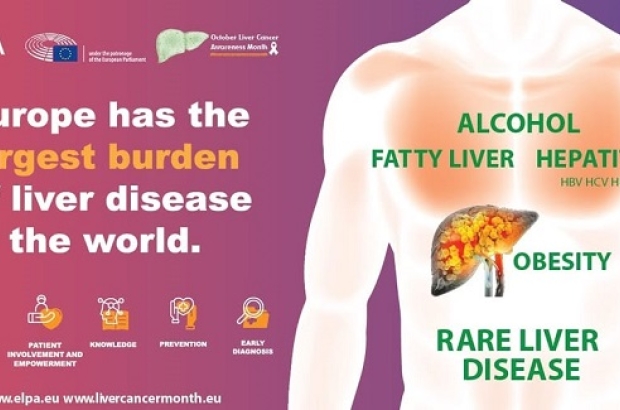
Are you concerned about the possible state of your liver? Or, maybe you would just like a check up on this vital bodily organ?
If so, the “Liver Disease Prevention Village” outside the European Parliament in Brussels this week is just for you. Tests take just a few minutes and are completely free of charge.
The event is organised by European Liver Patients’ Association, which represents some 39 related bodies from 29 European countries and gives people the chance to have what might be, in some cases, a life-saving liver test.
The liver testing “village” includes a mobile liver screening unit. There are also facilities for hepatitis testing and advice and guidance on diabetes, cardiovascular disease and cancer prevention.
Marko Korenjak, the association’s president, said that about 500 people are expected to be tested during the following dates and times.
Liver Disease Prevention Village - EU Parliament Esplanade
3 June, 9.00 to 15.00
4 June, 9.00 to 17.00
5 June, 9.00 to 13.00
Following the simple ultrasound examination, each participant is given a “scorecard” showing the results. A CAP score which is below 235 dB/m means no or little fat, 235-290 dB/m means some fat and above 290 dB/m means fatty liver disease.
Patients are also tested to establish their fibrosis grade. Korenjak said: “It is vital people have a test because early diagnosis of a problem is so important.”
This is the fourth year the association has organised the testing at the parliament, but the first time it’s been in June (in the past it was in the autumn) to coincide with “Fatty Liver Awareness Month.”
The liver is an essential organ of the body performing over 500 vital functions, including removing toxins from the blood and regulating blood clotting.
Swedish national Tove Frisch, who is among the volunteers running the village this week, added, “Liver disease is often silent but early detection can save lives.”
The key message is: Lack of physical activity, an unhealthy diet, obesity and tobacco use increase the risk of liver disease.
The risk of cirrhosis increases with alcohol consumption. Another volunteer, Richard, said, “If you do drink it is best to allow a couple of consecutive days without any alcohol. That gives the liver a chance to recover.”
Further info: www.elpa.eu