
- Daily & Weekly newsletters
- Buy & download The Bulletin
- Comment on our articles
Related articles
Recent





Popular
Cuts to unemployment benefits leave thousands of Brussels residents in the lurch
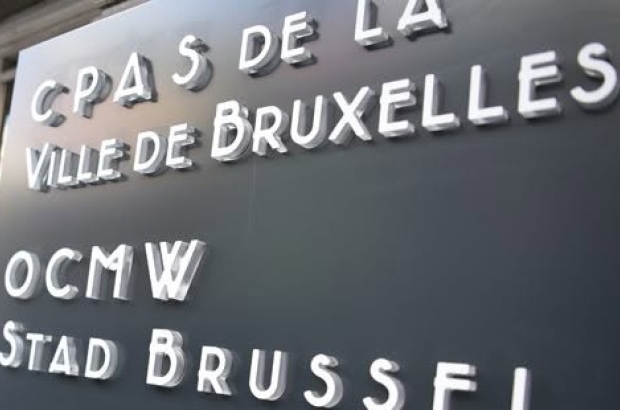
A fourth group of unemployed people lost their entitlement to benefits on 1 July as part of ongoing federal cuts to the social safety net - affecting almost 9,000 people in the Brussels region alone.
“What worries us is that our staff are still dealing with the fallout from the previous wave,” said a spokesperson for the capital’s public social welfare centres (CPASs).
The federal government decided last year to impose a time limit on unemployment benefits, launching the first wave of the reform at the start of this year, when about 4,000 Brussels residents - people who had been unemployed for more than 20 years - lost their entitlement to benefits.
A second group of more than 11,000 Brussels residents followed in March, then a third wave in April of 11,200.
The fourth wave affects 8,985 people who have been unemployed for between one and two years and who had not worked sufficiently prior to that.
“More people are being excluded from unemployment benefits this month than was initially anticipated: this fourth wave therefore threatens to be more severe than expected,” said Sébastien Lepoivre, chair of the federation of OCMWs.
An estimated 15% of those affected by this fourth wave have already approached one of Brussels' 19 CPASs.
In Schaerbeek alone, more than 1,000 residents are part of the latest wave. Of these, more than 300 have already turned to the social welfare centre.
“For us, this is a tough wave, but we’ve prepared for it,” said Döne Sönmez, chair of the Schaerbeek CPAS.
“We’ve reorganised our staff, with adjusted working hours, so that we can accommodate everyone. We will process all applications, even during the holidays.”
But Lepoivre, who is also chair of the Evere CPAS, remains concerned about how the cases will be handled.
“This is difficult from an organisational point of view because we’re in the holiday period and our staff need a holiday now more than ever,” said Lepoivre.
“What worries us is that our staff are still processing the previous wave of applications.
"The federal government assumed that a third of those who lost their unemployment benefits would turn to a CPAS, but we believe that figure is as high as 60%. In nine out of 10 of those cases, a social assistance allowance is granted."
Lepoivre does not believe that people from the fourth wave, who have experienced a shorter period of unemployment, are any closer to the labour market.
“If that were the case, they would have found work by now,” said Lepoivre.
“These are people who come to us because of all sorts of difficulties. They have no other way of surviving.
"The training centres are full, and there is hardly any work suited to their profiles. We’re not going to solve this with flexi-jobs."