

- Daily & Weekly newsletters
- Buy & download The Bulletin
- Comment on our articles
Related articles
Recent





Popular



Cool scoops: Gourmet guide reveals its favourite artisanal glaciers in Brussels
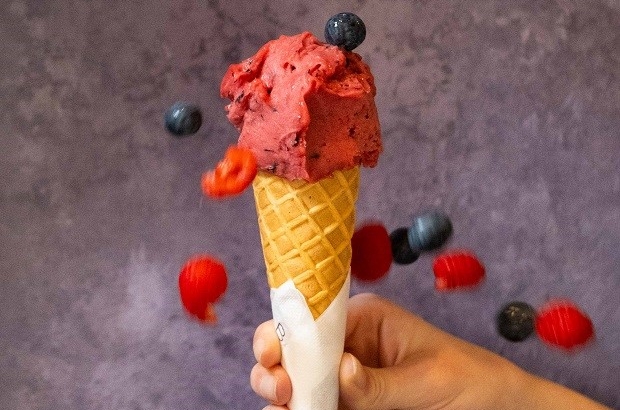
Tartine et boterham, the independent guide to pastries, bread and patisserie in Belgium, has revealed its six favourite ice-cream outlets in the capital.
With a scoop of ice cream now costing around €3 even from a neighbourhood ice-cream van, it is good to know which parlours pick up the accolades.
“We selected these glaciers according to our selection criteria, rather than say they are the ‘best’ ice creams,” said Géry Brusselman, creator of the guide. “Our ranking is based on the following criteria: quality of raw materials, respect for craftsmanship, creativity, and sustainability,” he explained when announcing the selection at Bargello, one of the six ice-cream makers to make the ranking.
The ‘winners’

Glacier Zizi is an Uccle institution, dating from 1948, with a signature dense sorbet that is similar to Sicilian granita. The extensive menu also includes a large choice of mouth-watering sundaes. There is also an outlet in Waterloo.

Froo in Watermael-Boitsfort is a small-scale operation that was opened by former speech therapist Frédérique in 2023. Ice cream cakes and lollies also feature on the menu.
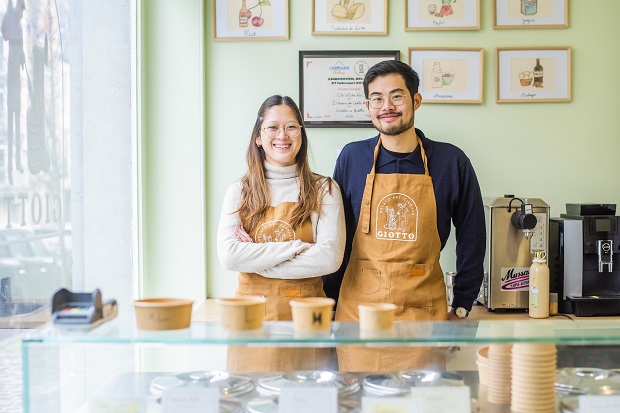
Gelateria Giotto, also in business since 2023, has shops in Jette and Ixelles. No stranger to local or international awards, it has also been crowned Belgium’s best ice-cream parlour and world champion.
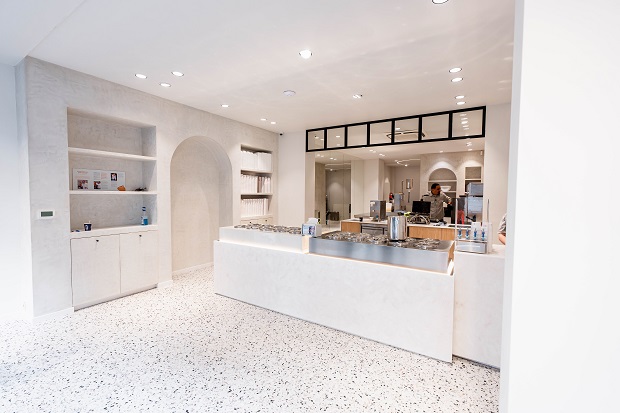
Pepe’s in Woluwe-Saint-Lambert, Etterbeek and Ixelles, was founded by Jose Romero, from Ecuador. It boasts some original and exotic flavours, as well as delicious fruit-based sorbets.
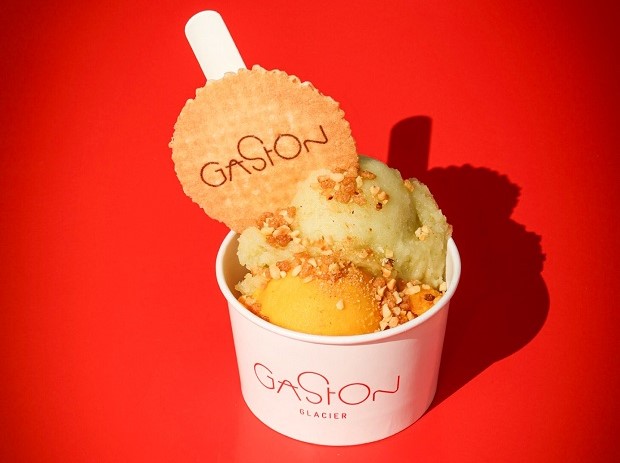
Glacier Gaston in Place Sainte-Catherine and Woluwe-Saint-Pierre is spearheaded by Turan Ucar and Lucy Koljaj. Cakes, cookies, brownies and waffles complete the sweet offering by this artisan specialist.
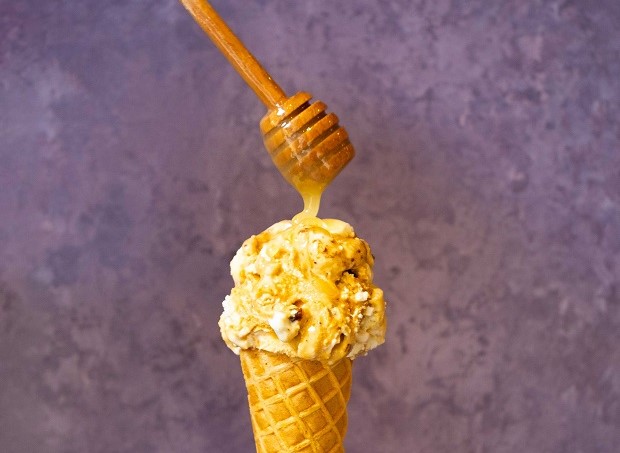
Glacier Bargello in Place de la Liberté since 2018 was founded by Laura Fontani, the daughter of a Florentine gelato maker. Not surprisingly, an authentic Italian flavour infuses its ices, including signature pistachio and rich mascarpone and coffee ice cream.
Future guide to Belgian artisan ices?
With only 20 artisan ice cream makers in the whole of the Brussels region, Brusselman is not planning a Brussels ice-cream guide to match Tartine et boterham titles dedicated to bakeries and patisseries.
But there might be one forthcoming on Belgium, he told the Bulletin. The country possesses around 200 artisan ice-cream makers, generally small businesses that employ between one and five full-time staff. They are mainly based in major cities and on the coast.
Despite Belgium’s variable weather, the nation consumes around 14 kilos of ice cream a year, he pointed out. “Our country is one of the biggest ice-cream consumers in Europe.”
The days when ice-cream shops would close over the winter months is long gone, said Bargello’s Fontani. Along with Zizi, it only shuts down one month a year.
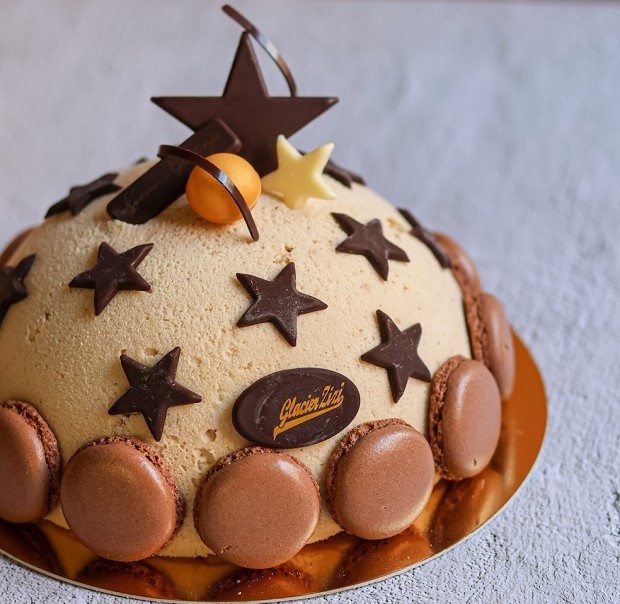
To help weather the colder months, some ice-cream makers diversify. Zizi (pictured above) and Gaston make fresh waffles and crepes, as well as ice cream Yule logs and confections at Christmas. It is a similar, albeit reverse story for artisanal chocolate makers who produce ice-cream to offset summer losses, says Brusselman.
Glaciers also increasingly offer alternatives to ‘standard’ ice-cream and sorbets as consumer habits evolve. These include vegan, lactose-free, low-sugar and even protein-rich options.
Premium quality is the third trend to help artisanal glaciers stand out from the ‘crowd’ of larger chains or big-name supermarket favourites, adds Brusselman. This means using only the best ingredients in products and offering unique flavours.
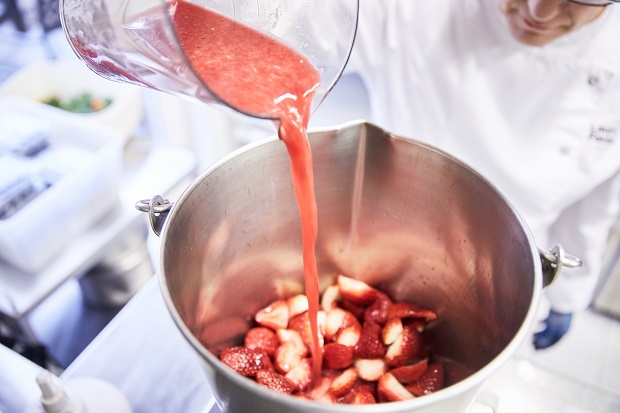
Pepe’s ice-cream menu features dulce de leche with roasted bananas; Zizi offers thyme, rosemary and basil flavoured sorbets; Froo features sesame seed and saffron creations, while Gaston’s pecan ice-cream caramelised with matcha or yuzu is a firm favourite. Alongside Italian classics, Bargello (pictured above) has special strawberry and orange and mojito sorbets as well as its signature Vespucci with ricotta, honey and figs, and Giotto makes bold flavours including peanut, or peach and pistachio ice cream and Syracuse lemon sorbet.
Artisanal ice-cream makers also highlight the sustainability of their production. Froo uses local produce, farm-fresh milk and flavours that change with the seasons; Gaston offers organic ice-cream; and Bargello favours paper or reusable packaging, with customers bringing cartons back for refills.
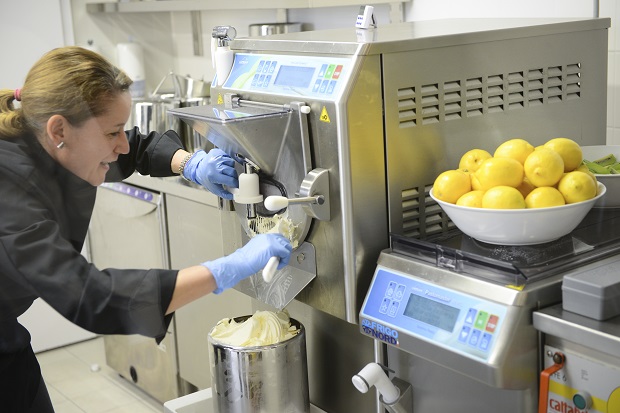
Menus or techniques aside, the proof is in the eating. Once you taste an artisanal ice-cream, which has to contain less than 10% fat, fresh ingredients and less sugar, it is hard to go back. Compared to shop-bought mass-produced fare, the extra cents are well worth the premium tasting experience.
In short, artisanal ice creams are all about flavour creativity, ultra-fresh, in-season products and new techniques: “We do not diversify to survive the low season,” Fontani says. “We only have two sauces, and there are not endless toppings. Our challenge is to make ice-cream seen as a dessert all year round as it is in Italy.”
Photos: (main image) Bargello Fruits de bois ©Michael Binkin-YourStory Agency; Pepe's ©pumpkinagency; Laura Fontani of Bargello making ice cream





Comments
One selection criterion should be added: the amount of sugar or sweetener content. Strictly speaking, this is part of the raw ingredients.
All too often, there’s a cloyingly sweet aftertaste that leaves you craving water.
One good ice-cream parlour has been overlooked: the Argentinian one in Ixelles:
https://conesbrussels.com