
- Daily & Weekly newsletters
- Buy & download The Bulletin
- Comment on our articles
Related articles
Recent




Popular


Brussels residents who call 112 face longest wait times
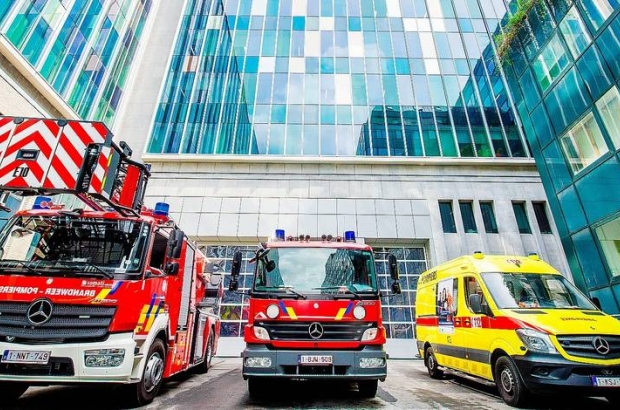
Brussels residents are more likely than other Belgians to end up in a queue when they call the 112 emergency centre, due to staff shortages.
“In such emergency situations, a missed call can literally mean the difference between life and death,” said member of parliament Matti Vandemaele (Groen).
Last year, tens of thousands of calls to emergency centres were only answered after more than three minutes due to structural staff shortages.
According to figures from interior minister Bernard Quintin, this happens most often in Brussels, Ghent and Antwerp.
In Brussels, for example, about 25,000 emergency calls (5.53% of the total) were only answered after more than three minutes of queuing last year.
In East Flanders, the issue concerns more than 10,000 calls (3.25%) and in Antwerp more than 4,400 calls (1.22%). The problem is least acute in Walloon Brabant, where only about 50 callers (0.06%) were kept waiting on hold for more than three minutes.
Quintin did not disclose how many calls were never answered.
Belgium’s 11 emergency centres currently employ 308 full-time equivalent staff, even though the federal government has determined that they need 361 to function properly. Staff turnover and absenteeism due to illness are also above average.
At the same time, calls to the emergency centres are being made more often since the pandemic. Last year, they received a total of 2.7 million calls.
Quintin’s cabinet said measures were already being taken to address the staff shortages behind the issue. For example, six federal police officers have been temporarily seconded to the East Flanders emergency call centre. National recruitment campaigns are also under way.
Vandemaele warned that training and recruitment need to speed up, but also wants Quintin to look into the working conditions and especially the pay of the telephone operators.